Fentanyl Awareness
Know the Risks, Know the Facts
By learning what fentanyl is, how it impacts individuals, and the steps you can take to stay safe, you can make a difference. This page provides you with the essential information and resources to make informed choices and promote awareness in your community.
Stay informed, stay safe. Share this information with your community to help spread awareness and save lives.

What is Fentanyl?
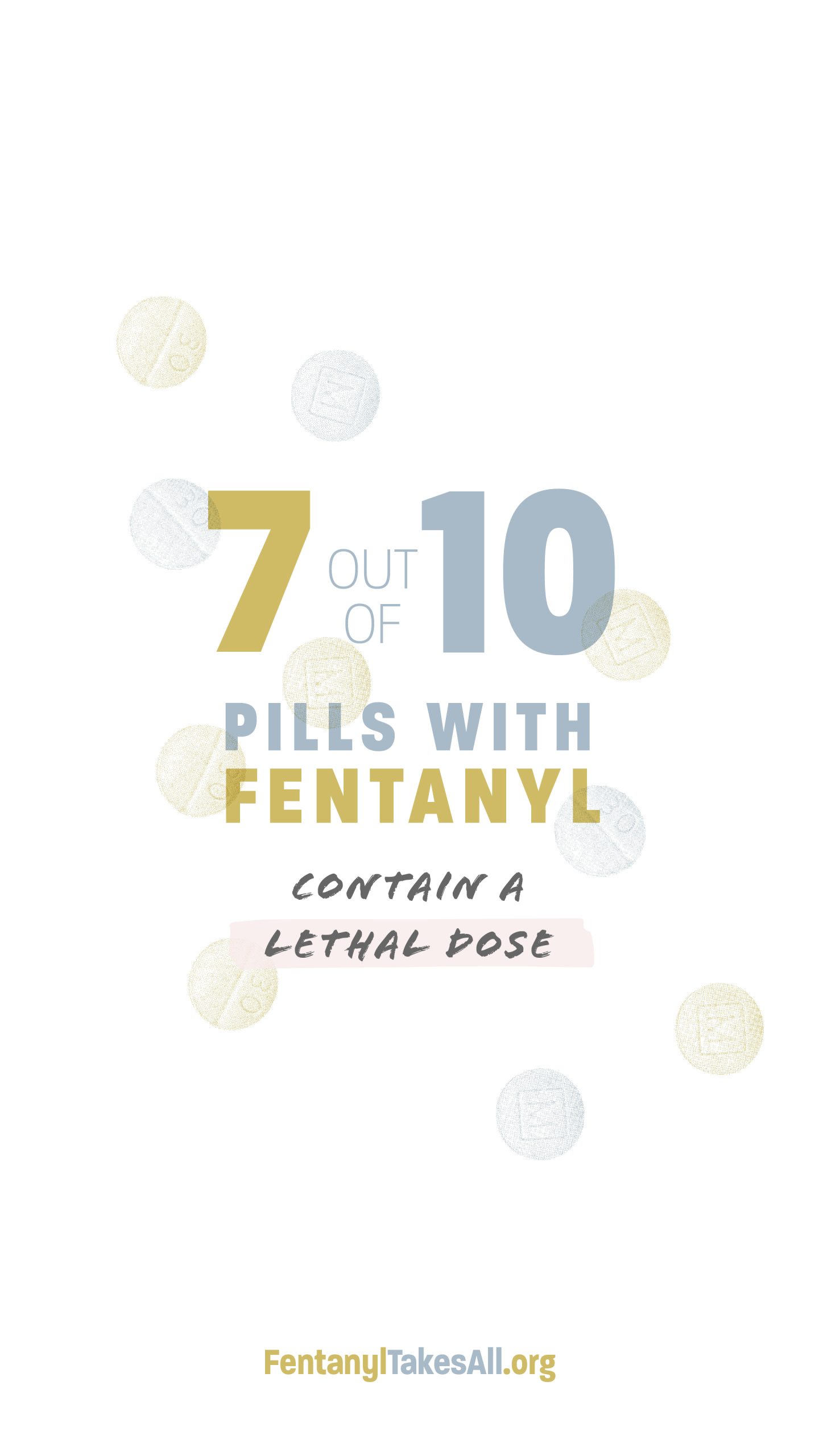
Fentanyl is a powerful synthetic opioid that is 50 to 100 times more potent than morphine. It is often found in illicit drugs, significantly increasing the risk of overdose due to its high potency and the difficulty in detecting its presence.
Even a small amount can be fatal, making it one of the most dangerous substances involved in the opioid crisis. Understanding fentanyl and its risks is crucial for preventing accidental exposure and saving lives.
How Can You Stay Safe?
First, avoid using drugs from unknown sources. You should also learn about the risks of fentanyl and share this knowledge to help raise awareness in your community.
Carry and know how to use naloxone to reverse potential overdoses, and securely store and properly dispose of medications to prevent misuse. Seek professional help if needed and stay informed about local resources and harm reduction services for ongoing support.

Be Prepared

Start Converstations

Raise Awarness

Stay Vigilant
Learn How to Administer Narcan (Naloxone)
Here are step-by-step instructions on how to administer Narcan (naloxone), a life-saving medication used to reverse opioid overdoses.
Being prepared to act quickly can make all the difference in an emergency situation involving opioids.
Watch and learn the essential techniques to effectively use Narcan and potentially save a life.
Resources
You are not alone, there are amazing resources in Valley County, Adams County, and surrounding areas that offer many types of services. Take a look at the different resources provided by our agency partners.
This program is supported by the Health Resources and Services Administration (HRSA) of the U.S. Department of Health and Human Services (HHS) as part of an award totaling $2,000,000 with 0% financed with non-governmental sources. Grant #22G28RH46297.